
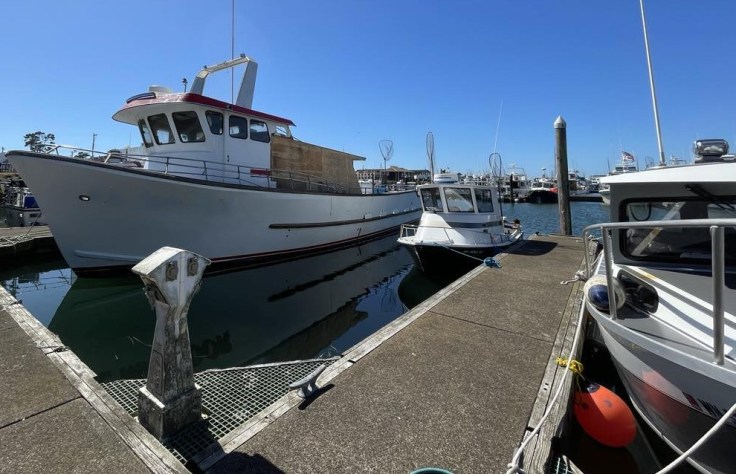
Stormwater runoff, a seemingly innocuous consequence of rainfall, is emerging as a major environmental concern, particularly in states like Washington, where the Puget Sound Basin bears witness to the challenges posed by rapid urbanization. In this blog post, we’ll delve into the significant impact of stormwater runoff on water quality and discuss the pivotal role of green infrastructure solutions or Low-Impact Development (LID) strategies in combating this issue.
The Puget Sound Basin: A Growing Concern:
The Puget Sound Basin, home to major Washington metropolises like Seattle, Olympia, and Tacoma, faces a critical challenge as its population is expected to reach 5.7 million by 2030 (Office of Financial Management 2007 Population Projections). It comprises of 6 major watersheds: Nooksck, Skagit, Stillaguamish, Snohomish, Skokomish, Nisqually and about 10,000 rivers (USGS.org). With urbanization rates soaring, natural areas are being transformed into impervious surfaces, altering stream flows, increasing sedimentation, and elevating temperatures, thus jeopardizing watershed health.
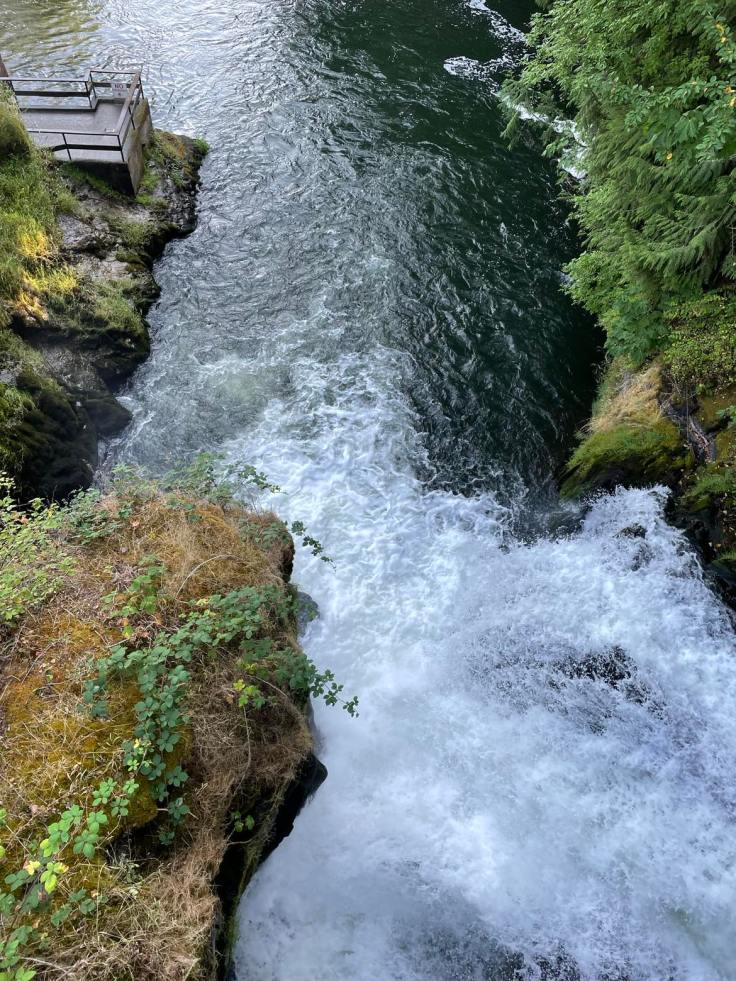
Stormwater Runoff: A Silent Polluter:
Every inch of rainfall on paved surfaces can generate a staggering 27,150 gallons of runoff, carrying with it a cocktail of pollutants. During storm events, impervious surfaces like roads and sidewalks prevent water from soaking into the ground, resulting in the direct dumping of sediment, nutrients, and toxins into rivers and streams (Nemeth et al., 2010; Pilon et al., 2019).
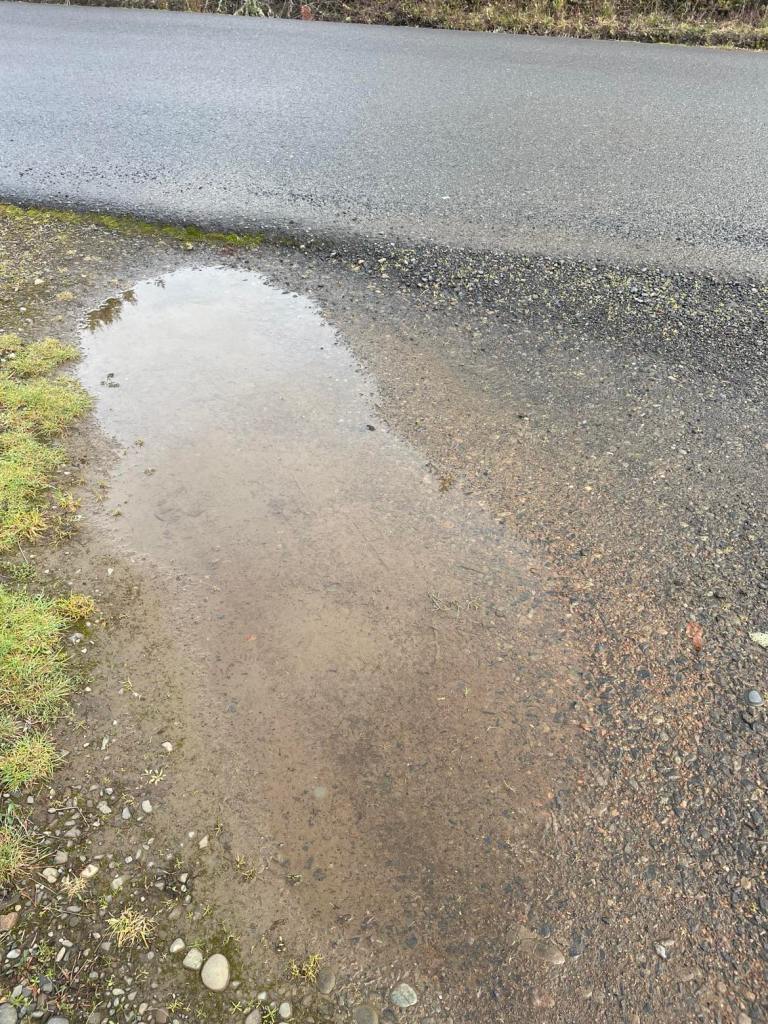
The reduction in the infiltration rates due to imperviousness can result in less groundwater recharge that could be a serious threat to water security. Urban imperviousness can further alter the flows of river during stormwater events by releasing more volumes of water (high discharge), and high runoff resulting in flooding and dumping more pollutants in water (Schneider et al., 2012; Wu et al., 2013). Shockingly, approximately 75% of toxic chemicals entering the Puget Sound originate from stormwater runoff, including petroleum, zinc, lead, copper, and other pollutants (Ecology and King County, 2011). The largest chemical of concern to be released is petroleum, followed by zinc, lead, PAH and copper.
The Call for Low-Impact Development:
To address the stormwater dilemma, a paradigm shift in urban planning is imperative. Low-Impact Development (LID) strategies, also known as green infrastructure, offer a natural solution. These LID techniques provide solutions that can control flood management. Techniques such as green roofs, permeable pavements, and rain gardens enable stormwater to filter into the ground, preventing pollutants from entering waterways and replenishing groundwater (Shafique & Kim, 2015; Sun, et al., 2020).
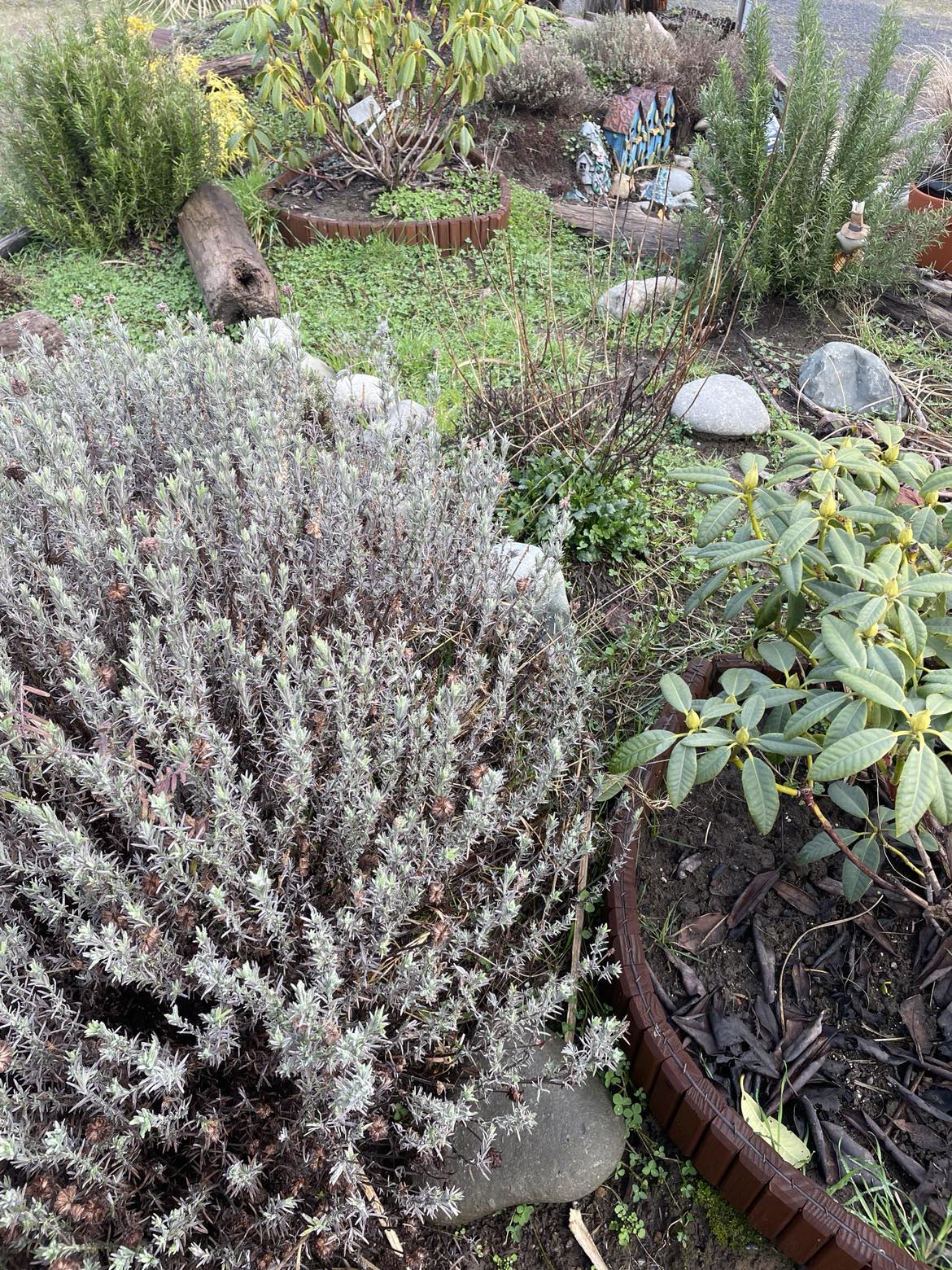
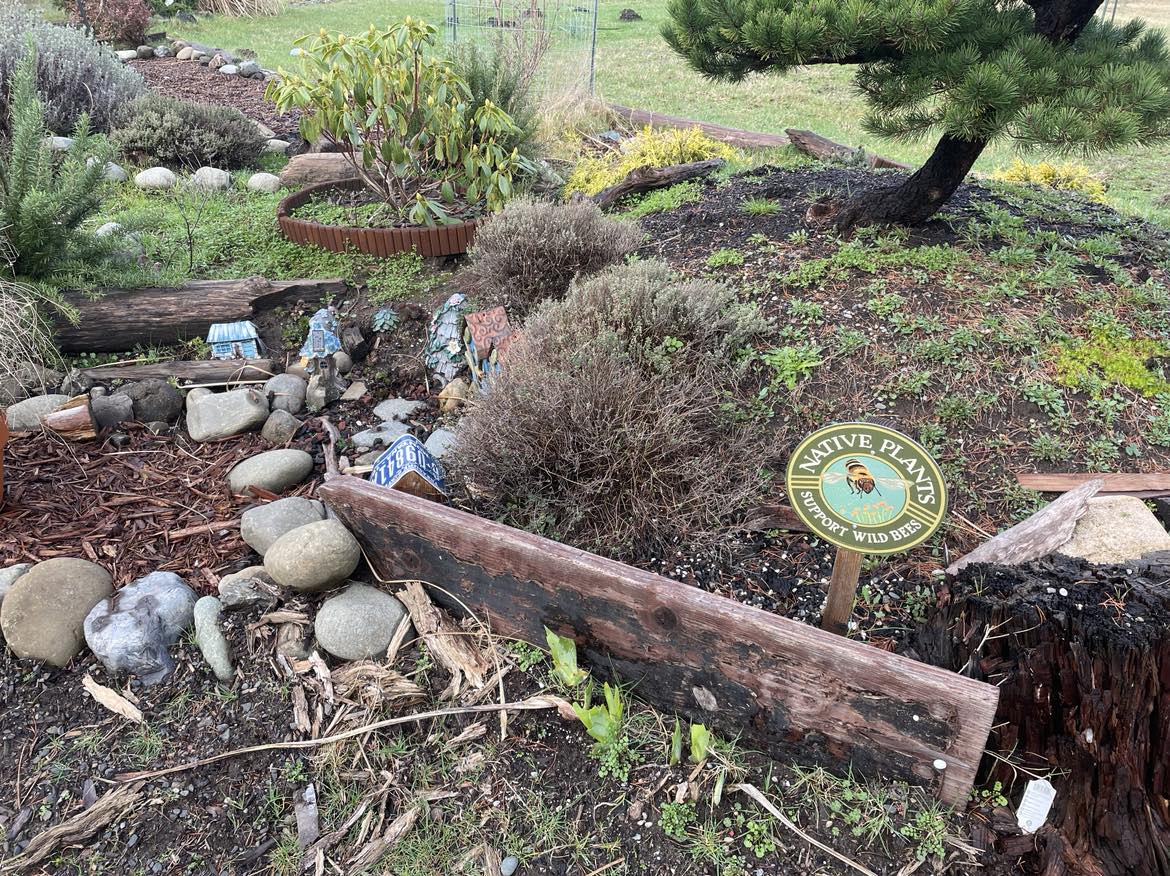
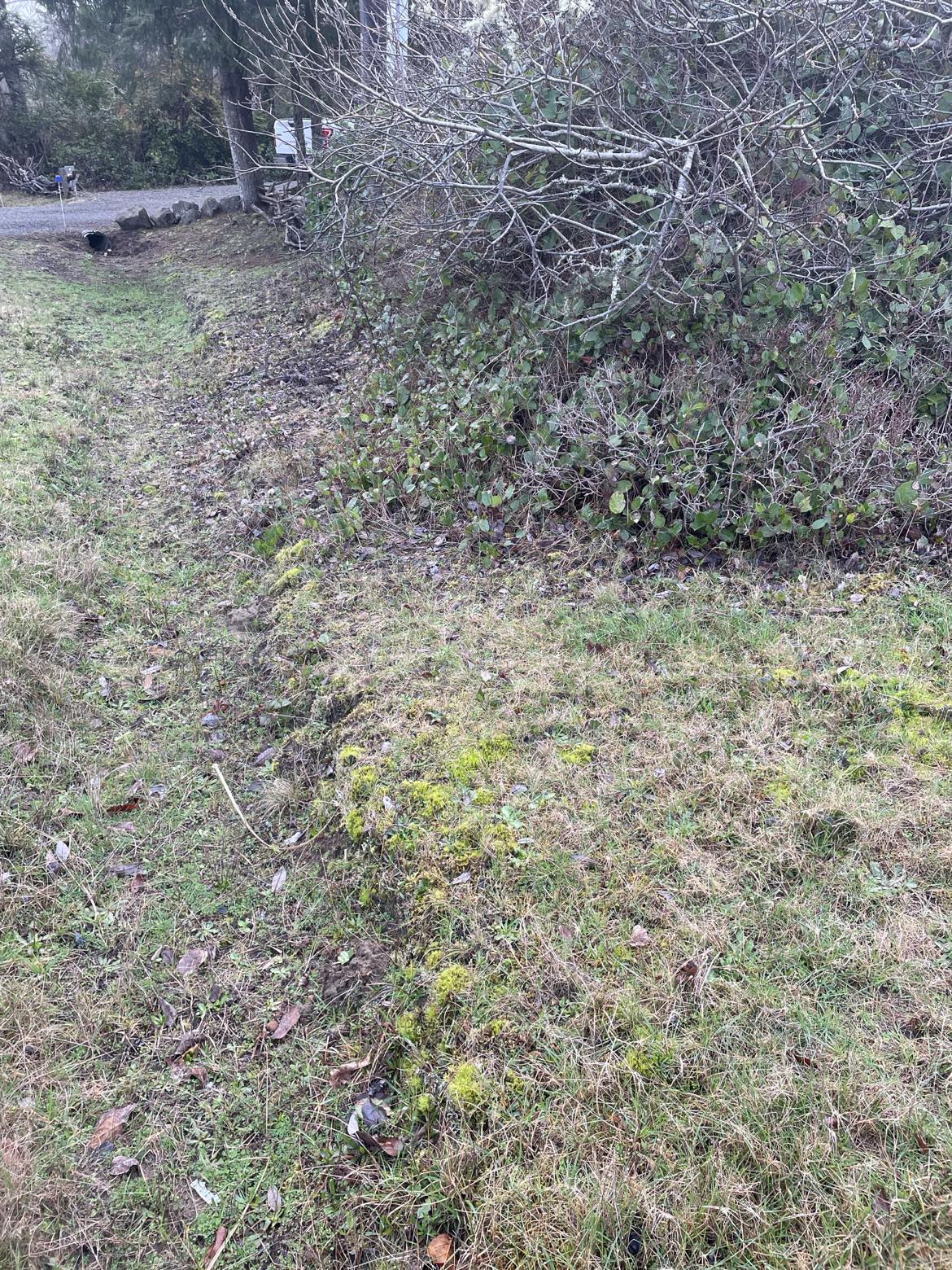
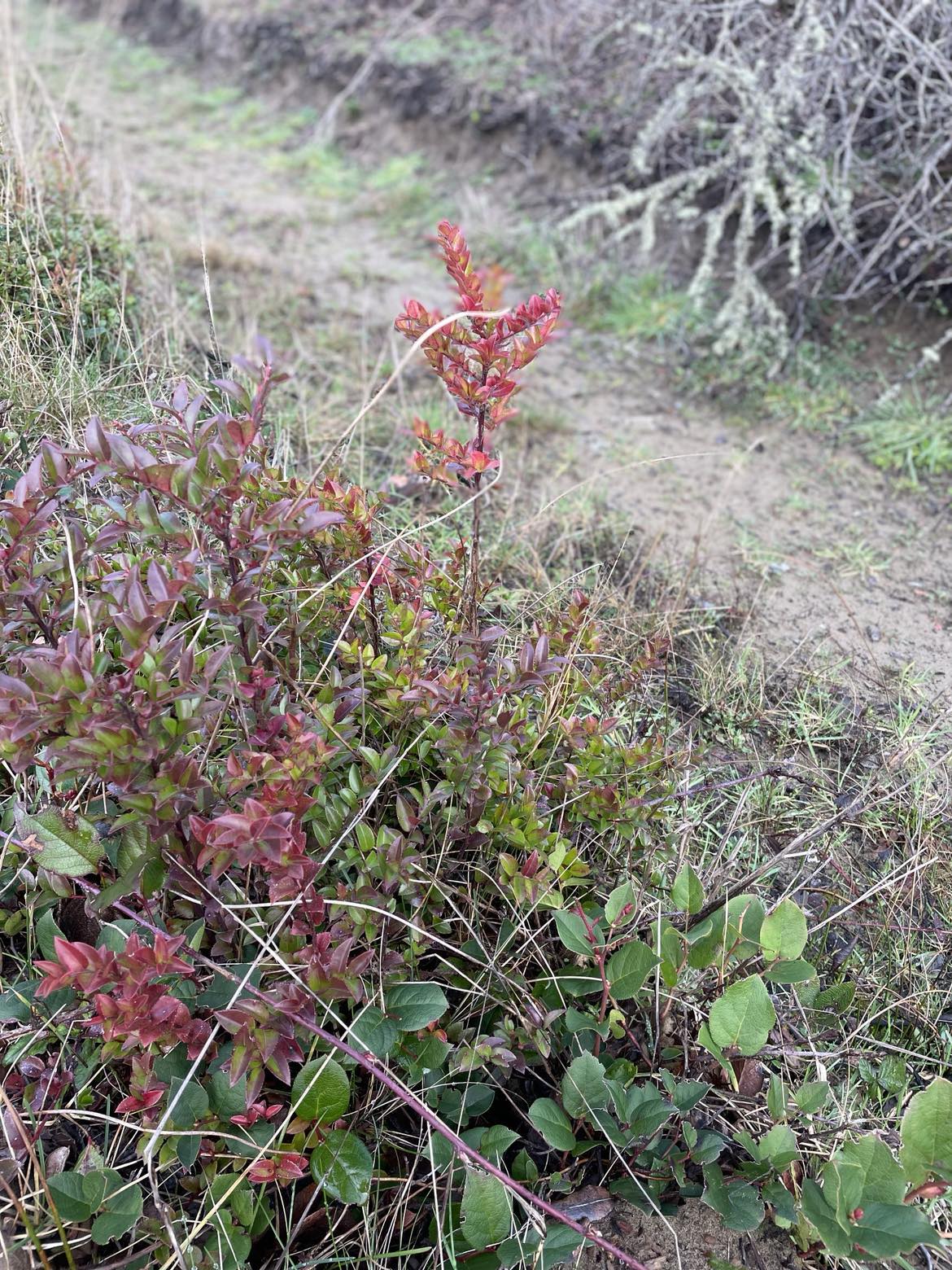
Bioretention cells, commonly referred to as rain gardens, serve as a prevalent method for managing urban stormwater. Despite their increasing popularity, its widespread adoption is limited due to region-specific designs and a lack of assessment tools for bioretention cell performance. Encouragingly, studies conducted in cold climates have demonstrated promising outcomes, showcasing high infiltration rates, and assessing hydrological performance (Ding et al., 2019; Paus et al., 2016). This underscores the adaptability and efficacy of bioretention cells even in challenging environmental conditions. Notably, a data-driven study by Khan et al. in 2013 revealed that the volume of runoff and the duration of precipitation events can effectively predict the performance of bioretention cells like the ones seen below.
Stormwater Retrofits: A Vital Upgrade:
Recognizing the challenges posed by existing infrastructure, stormwater retrofits emerge as a critical approach. There are utilities that were developed without LID or green stormwater infrastructure. Stormwater retrofits can be the best approach to upgrade these utilities. Stormwater retrofits are a critical type of Structural Stormwater Controls (SSC), that treat and control stormwater runoff from existing development These retrofits involve tearing up existing pavement to install stormwater controls, treatments, or flows that filter pollutants and regulate the flow rate, protecting local water bodies from the adverse effects of stormwater runoff (USEPA, 2011).
Structural Stormwater Controls: Guiding Progress:
The Washington Department of Ecology sets standards for stormwater management through statewide permits, with a focus on incorporating LID techniques. Starting in 2012, these permits required 83 Puget Sound municipalities to update their local development regulations to make low impact development (LID) the “preferred and commonly used approach” by the end of 2016.
Nature’s Scorecard, developed by Puget Soundkeeper Alliance in 2016, serves as a tool to assess the progress of municipalities in implementing LID requirements for new development or redevelopment projects.
Cities and counties were graded on whether they incorporated each of Five Key LID Indicators in their development codes. These criteria for these indicators were based on guidelines published by the Department of Ecology for complying with the stormwater permits. These indicators include:
The Five key LID indicators are:
- Limiting hard surfaces
- Protecting native plants during construction,
- Promoting permeable pavements,
- Planting native trees,
- Maintaining buffers around critical areas.
Measuring Success: Nature’s Scorecard and Beyond:
While the 2019 Nature’s Scorecard LID Code Update Report showcased improvements in 20% of cities and counties, the need for continued progress remains. Reporting requirements, however, lack the necessary context to determine the improvement in water quality. It is crucial to monitor these investments and ensure that they are indeed making a difference in protecting our watersheds.
Conclusion:
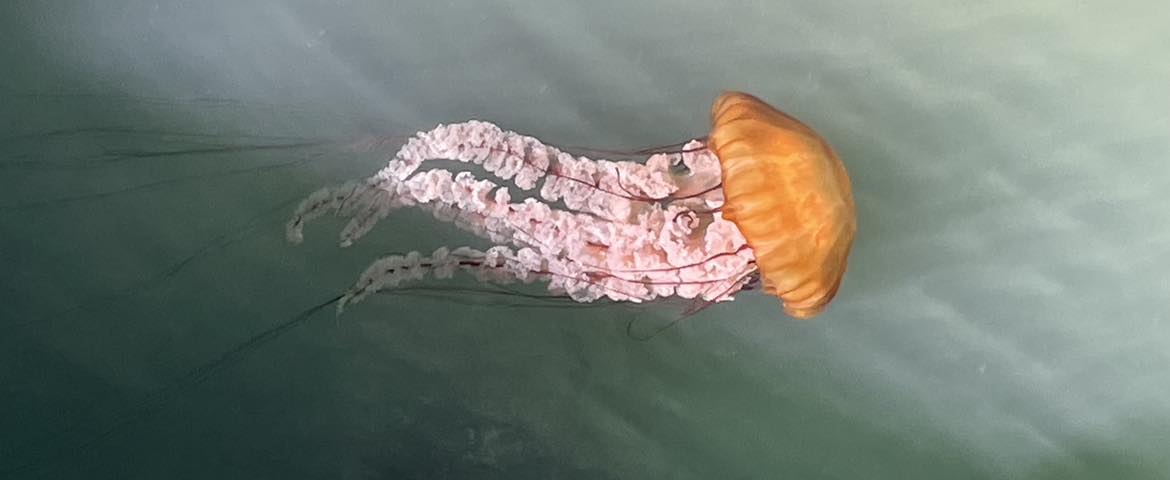
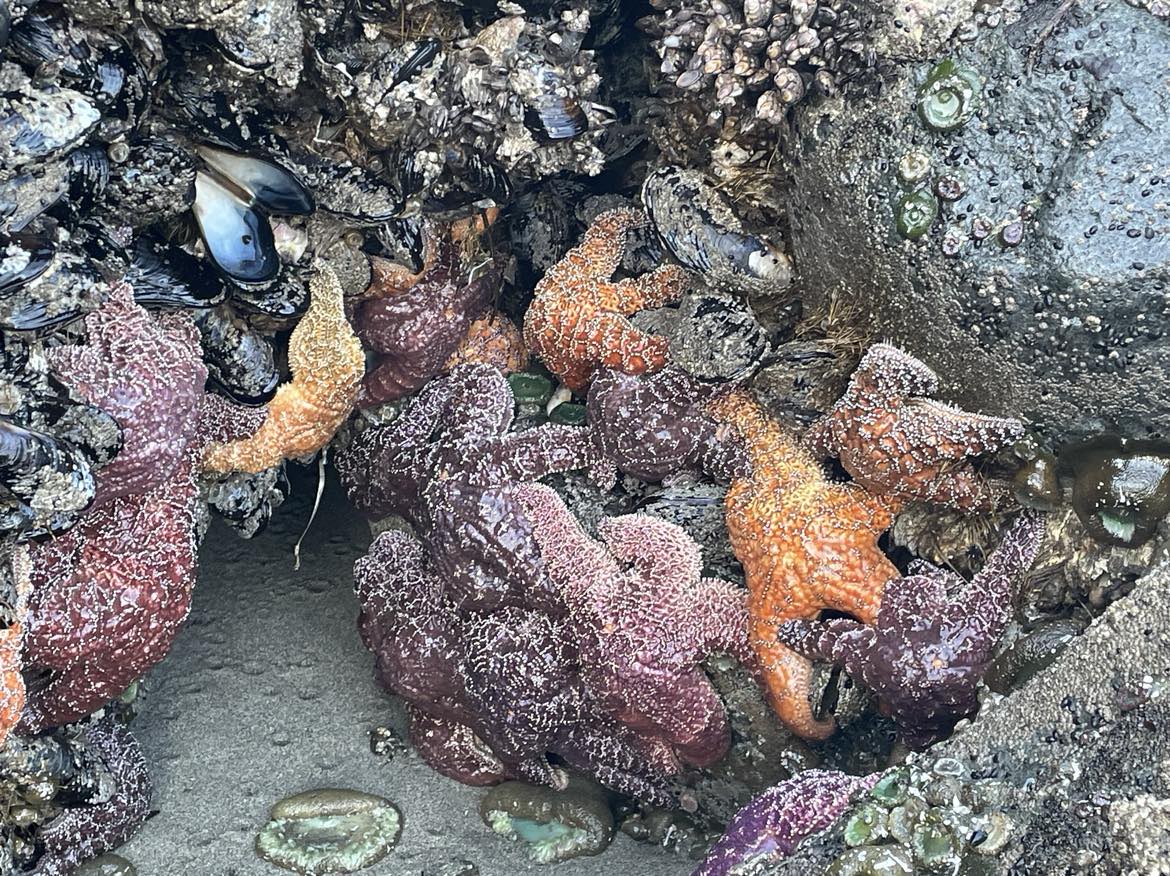
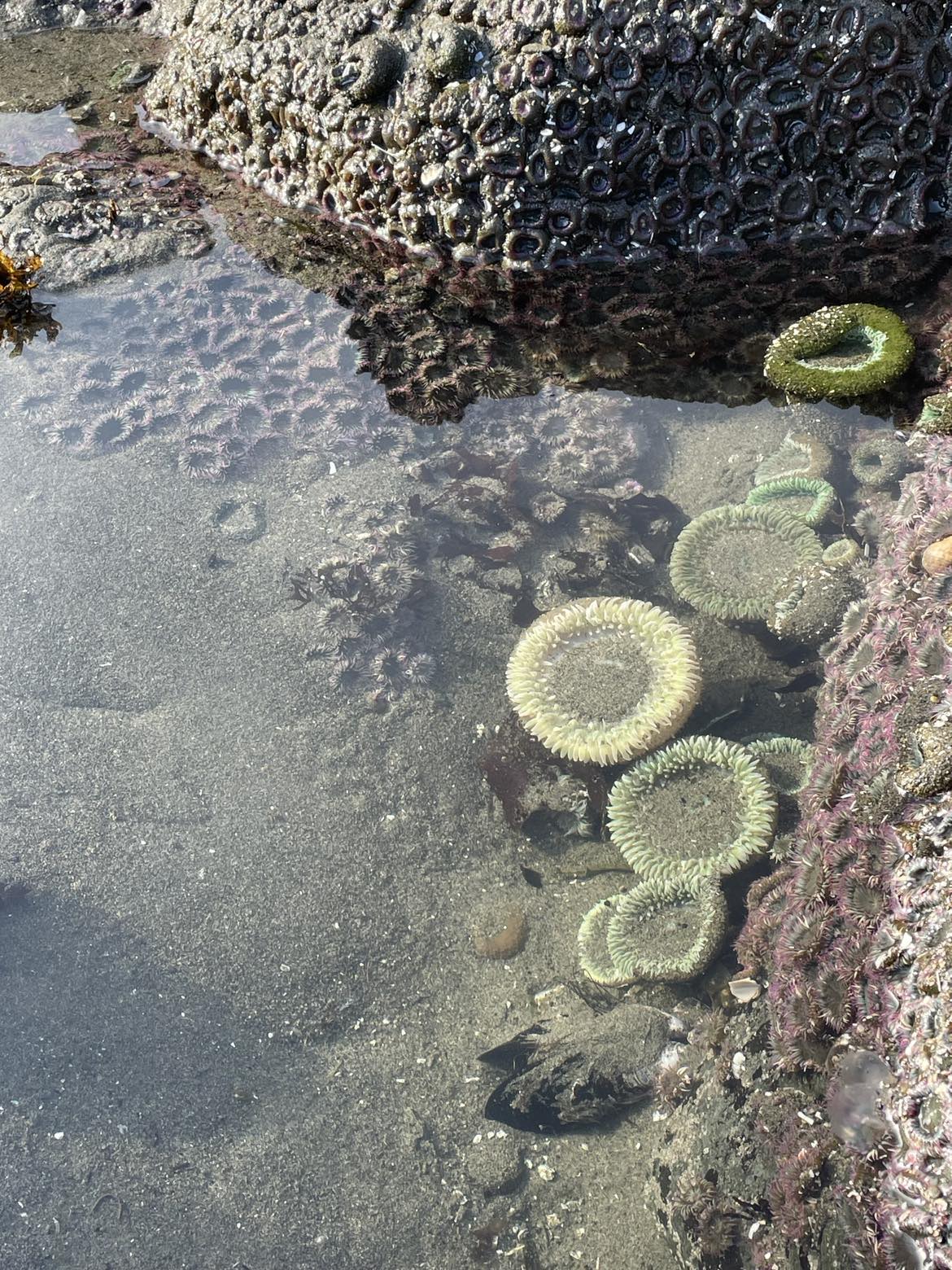
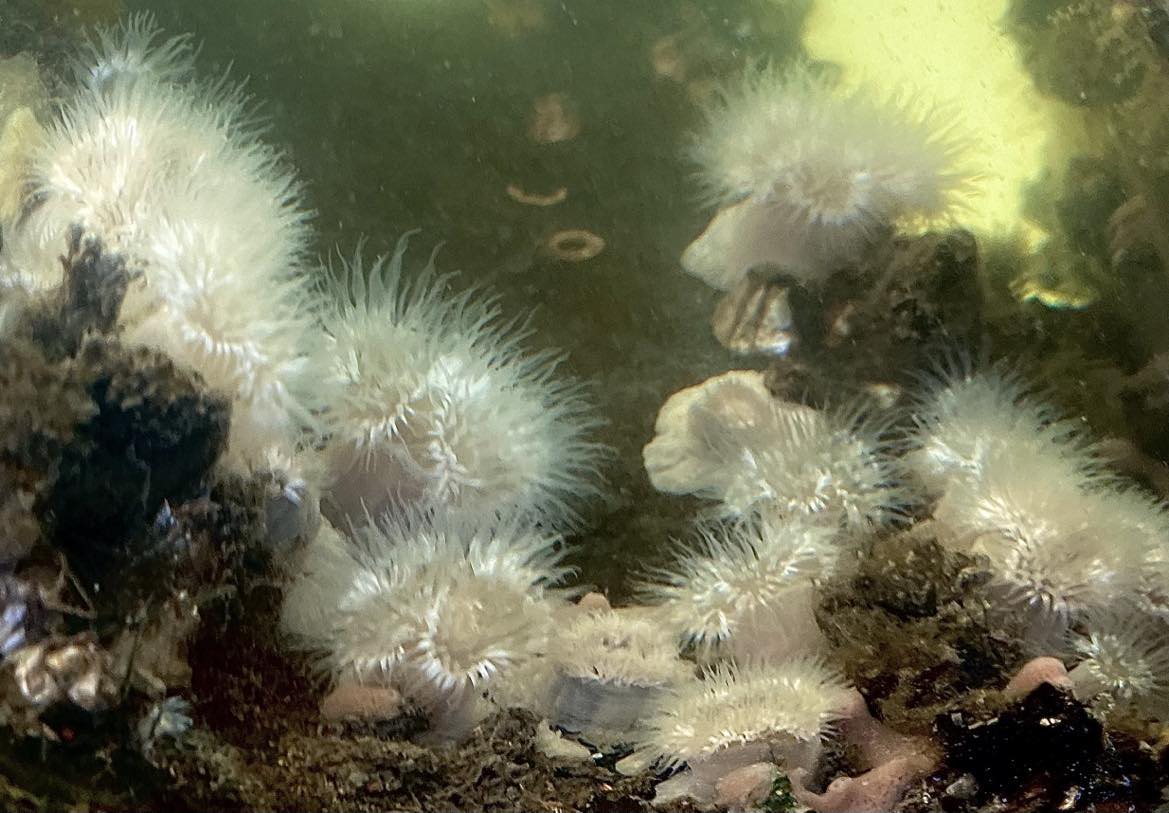
Stormwater runoff poses a significant threat to the Puget Sound Basin, but through the adoption of LID strategies, stormwater retrofits, and rigorous monitoring, we can foster a greener, more sustainable future that supports the biodiversity found in Puget Sound. By prioritizing the health of our watersheds, we pave the way for a cleaner, more resilient Puget Sound.
References:
B. Ding, F. Rezanezhad, B. Gharedaghloo, P. Van Cappellen, E. Passeport. 2019. Bioretention cells under cold climate conditions: effects of freezing and thawing on water infiltration, soil structure, and nutrient removal. Sci. Total Environ., 649, pp. 749-759, 10.1016/j.scitotenv.2018.08.366
Ecology and King County, 2011. Control of Toxic Chemicals in Puget Sound: Assessment of
Selected Toxic Chemicals in the Puget Sound Basin, 2007-2011. Washington State Department
of Ecology, Olympia, WA and King County Department of Natural Resources, Seattle, WA.
Ecology Publication No. 11-03-055. www.ecy.wa.gov/biblio/1103055.html
Khan, U.T.; Valeo, C.; Chu, A.; He, J. A. 2013. Data Driven Approach to Bioretention Cell Performance: Prediction and Design. Water, 5, 13–28.
Paus, K.H.; Muthanna, T.M.; Braskerud, B.C. 2016. The hydrological performance of bioretention cells in regions with cold climates: seasonal variation and implications for design
Hydrol. Res., 47, pp. 291-304.
National Research Council (NRC). 2008. Urban Stormwater Management in the United States; National Academies Press: Washington, DC, USA.
Puget Soundkeeper. Nature’s Scorecard. 2022. Local Stormwater Pollution Controls. A Report for the Washington State Department of Ecology.
Nemeth, A.F.; Ward, D.A.; Woodington, W.G. 2010. The Effect of Asphalt Pavement on Stormwater Contamination; Worcester Polytechnic Institute: Worcester, MA, USA.
Pilon, B.S.; Tyner, J.S.; Yoder, D.C.; Buchanan, J.R. 2019. The Effect of Pervious Concrete on Water Quality Parameters: A Case Study. Water, 11, 263.
Schneider, A.; Logan, K.E.; Kucharik, C.J. 2012. Impacts of urbanization on ecosystem goods and services in the US Corn Belt. Ecosystems, 15, 519–541.
Shafique, M.; and Kim, R. 2015. Low Impact Development Practices: A Review of Current Research and Recommendations for Future Directions. Ecological Chemistry and Engineering S, 22, 543 – 563.
Sun, J.; Cheshmehzangi, A.; Wang, S. 2020. Green Infrastructure Practice and a Sustainability Key Performance Indicators Framework for Neighbourhood-Level Construction of Sponge City Programme. Journal of Environmental Protection, 11, 82-109. doi: 10.4236/jep.2020.112007.
Unites States Environmental Protection Agency. Fact Sheets: Stormwater Retrofit Techniques for Restoring Urban Drainages in Massachusetts and New Hampshire. Small MS4 Permit Technical Support Document, April 2011.
Thanks to Heera Malik for this guest post.
 Tethysphere
Leave a comment